

Nutrition for Men 40+
Exploring Plant-Based Nutrition in Mature Adulthood
Understanding Nutrition in Midlife
Nutritional science documents that the later adult years bring natural changes to the body's metabolism, nutrient absorption, and nutritional requirements. Understanding how plant-based foods contribute to overall wellness during this life stage provides valuable context for making dietary choices.
This page explores general nutritional science relevant to men over 40, focusing on how botanical sources provide essential nutrients during this period of life. Individual circumstances vary significantly, and consultation with healthcare professionals remains important for personal health decisions.
Key Nutritional Considerations for Middle-Aged Men
Metabolic Changes
Scientific literature documents that metabolism gradually changes with age. The rate at which the body processes nutrients and energy may shift. Muscle mass tends to gradually decrease if not actively maintained. Physical activity and consistent nutrition become increasingly important for overall function.
These natural changes suggest that attention to nutritional density and activity level becomes more relevant during middle age and beyond.
Nutrient Absorption
As adults age, the body's efficiency in absorbing certain nutrients may change. Vitamin B12 absorption, calcium absorption, and other nutrient uptake can be influenced by age-related factors. Adequate nutrient intake becomes important to compensate for these natural changes.
Consuming nutrient-dense whole plant foods, grains, and varied sources supports nutritional needs during this life stage.
Essential Minerals for Mature Men
Magnesium
Magnesium plays documented roles in muscle function, energy production, and nervous system activity. Scientific research indicates that adequate magnesium intake supports cardiovascular health, bone health, and metabolic function. Plant sources include leafy greens, seeds, nuts, whole grains, and legumes. The recommended intake for adult men remains consistent, though adequacy becomes more important to monitor with age.
Zinc
Zinc has documented importance in immune function, protein synthesis, and various enzymatic processes. Scientific literature emphasizes zinc's role in maintaining physical function and immunity. Plant sources of zinc include seeds, nuts, legumes, and whole grains. Bioavailability of plant-based zinc varies based on food combinations and preparation methods. Consuming varied zinc sources supports adequate intake.
Selenium
Selenium functions as a component of selenoproteins, which have antioxidant and other protective functions documented in scientific research. Whole grains, mushrooms, garlic, and Brazil nuts contain natural selenium. Geographic variation in soil selenium content affects the selenium content of locally grown plants. Consuming diverse plant sources ensures adequate selenium intake across seasons and regions.
Calcium and Bone Health
Calcium's importance for bone health continues throughout adult life. Plant sources of calcium include leafy greens, seeds, legumes, and fortified plant-based products. Adequate vitamin D supports calcium absorption. Weight-bearing physical activity, in combination with adequate calcium and other nutrients, supports bone health in middle and later adulthood.
Plant Compounds Supporting Wellness

Polyphenols
Found in berries, tea, grapes, nuts, and vegetables, polyphenols have antioxidant properties documented in scientific research. Regular consumption of polyphenol-rich foods appears in research on healthy aging patterns.
Phytonutrients
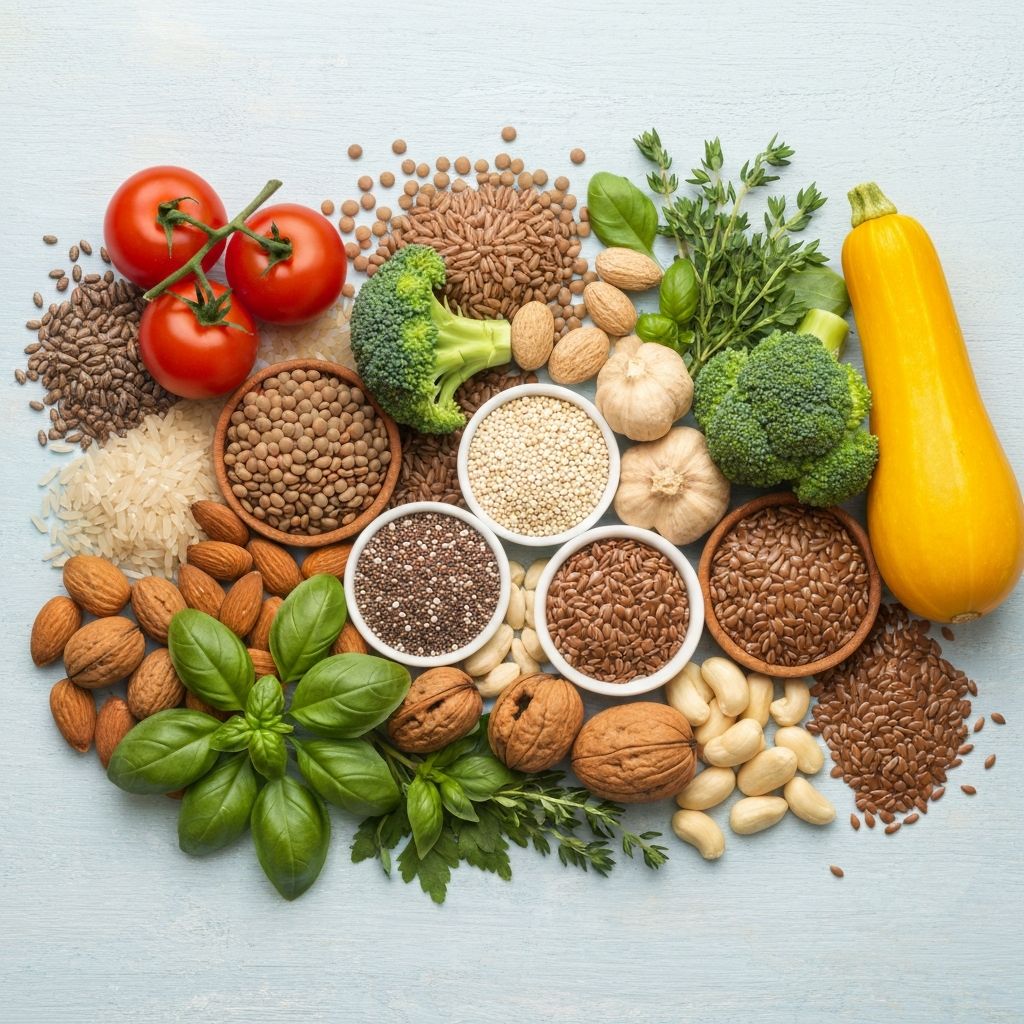
Different plant foods contain distinct phytonutrients. Consuming varied plant sources ensures exposure to diverse beneficial compounds. Different colors of vegetables and fruits typically indicate different phytonutrient compositions.
Fiber
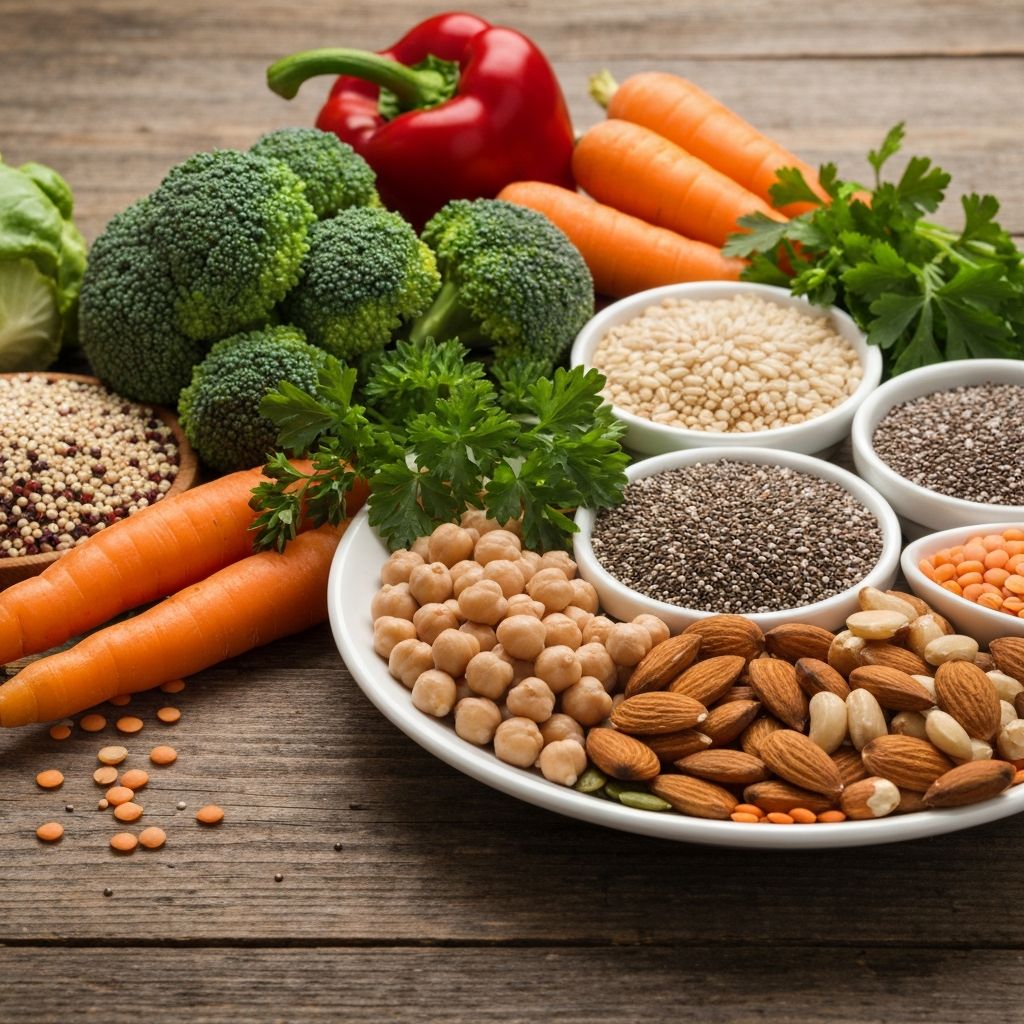
Plant-based sources of fiber support digestive health and metabolic function. Whole grains, legumes, vegetables, and fruits provide natural fiber. Adequate fiber intake supports cardiovascular health, blood sugar management, and digestive function.
Building a Diverse Plant-Based Diet
Nutritional science emphasizes dietary diversity as a fundamental principle. For men over 40, consuming varied plant sources ensures comprehensive nutrient intake and exposure to diverse beneficial compounds.
Plant Categories to Emphasize
- Leafy Greens: Rich in magnesium, calcium, and various phytonutrients (spinach, kale, arugula, swiss chard)
- Cruciferous Vegetables: Contain unique compounds with documented properties (broccoli, cauliflower, cabbage, brussels sprouts)
- Whole Grains: Provide fiber, B vitamins, minerals, and plant compounds (brown rice, oats, quinoa, barley)
- Legumes: Excellent sources of plant protein, fiber, and minerals (beans, lentils, chickpeas, peas)
- Seeds and Nuts: Concentrated sources of minerals, healthy fats, and plant compounds (flax, pumpkin, hemp seeds, almonds, walnuts)
- Berries: Rich in polyphenols and antioxidants (blueberries, blackberries, raspberries, strawberries)
- Root Vegetables: Provide fiber, minerals, and varied compounds (carrots, beets, turnips, sweet potatoes)
- Herbs and Spices: Contain concentrated phytonutrients and flavor foods (ginger, turmeric, garlic, herbs)
Physical Activity and Nutrition Work Together
Nutritional science doesn't exist in isolation. Research emphasizes that physical activity and adequate nutrition work together to support health and function in mature adulthood.
- Muscle Maintenance: Physical activity combined with adequate protein supports muscle maintenance during aging
- Bone Health: Weight-bearing activity plus adequate calcium and vitamin D supports bone health
- Cardiovascular Health: Regular activity combined with heart-healthy plant foods supports cardiovascular function
- Metabolic Function: Consistent activity helps maintain healthy metabolic function
- Overall Wellness: Combining varied plant nutrition with regular activity supports overall function and vitality
Practical Tips for Plant-Based Nutrition at 40+
Variety is Key
Consuming different plant foods across seasons and throughout the week ensures diverse nutrient intake. Rotating through different vegetables, grains, legumes, nuts, and seeds provides comprehensive nutrition.
Preparation Matters
Different cooking methods affect nutrient availability and phytonutrient content. Raw, steamed, roasted, and cooked preparations each have advantages. Varying preparation methods supports nutrient diversity.
Whole Foods First
Whole plant foods contain complex nutrient combinations that work together synergistically. Whole grains, legumes, fruits, vegetables, nuts, and seeds provide natural nutrient packages superior to isolated components.
Mindful Eating
Paying attention to hunger and satiety cues, eating slowly, and savoring foods supports both nutrition and digestive function. Mindful eating practices have documented benefits for metabolic health.
Consistency Over Perfection
Regular, consistent plant-based eating patterns support health more than occasional perfect adherence. Building sustainable eating habits matters more than temporary dietary changes.
When to Seek Professional Guidance
While this information provides general educational context, individual circumstances vary significantly. Consult healthcare professionals if you have:
- Specific medical conditions affecting nutrition
- Questions about medication-nutrient interactions
- Concerns about adequately meeting nutritional needs
- Existing health conditions requiring dietary modification
- Family history of specific health conditions
- Questions about implementing significant dietary changes
A registered dietitian can provide personalized guidance based on your individual health situation and needs.
Important Information Context
This page provides general educational information about nutrition and plant-based foods relevant to men over 40. It is not personalized medical advice. Individual health situations vary significantly. Always consult qualified healthcare professionals regarding any specific health concerns or significant dietary changes. This resource does not replace professional medical consultation or individualized nutritional guidance from registered dietitians.
Support Your Wellness Journey
Explore our full educational resource for comprehensive plant-based nutrition information