Plant Nutrition & Botanical Knowledge
Educational resource on nature-derived nutritional components and their documented presence in traditional diets
Understanding Plant-Based Nutrition
Plants have provided essential nutrients for human nutrition across all cultures and centuries. This resource explores the documented presence of vitamins, minerals, and phytonutrients in commonly consumed botanical sources. We examine how natural compounds from roots, seeds, herbs, and vegetables contribute to everyday nutrition, particularly relevant for adults seeking balanced dietary intake.
Key Plant Minerals
Essential minerals derived from plant sources have been central to human nutrition. Here we examine three particularly significant elements found throughout botanical food sources:
Zinc in Plants
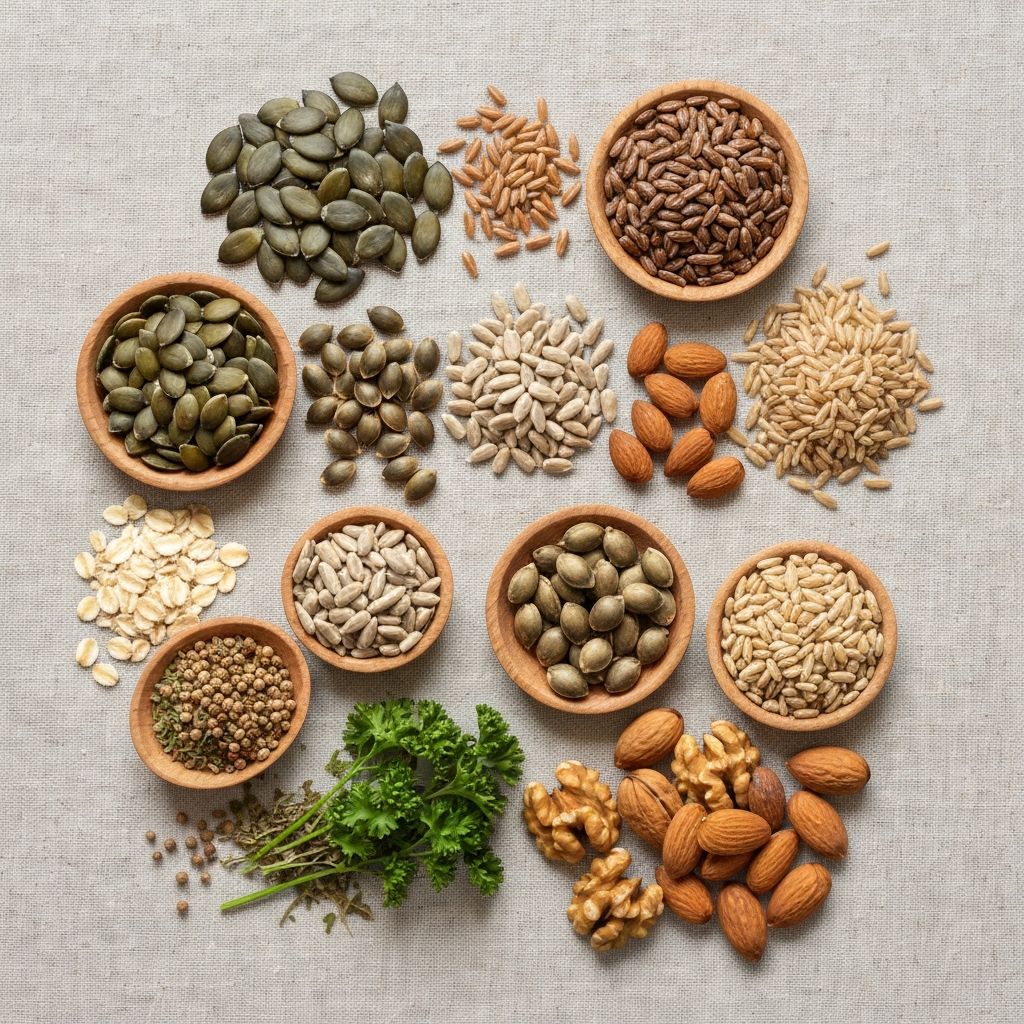
Zinc appears naturally in pumpkin seeds, sunflower seeds, hemp seeds, whole grains, and various nuts. Scientific literature describes zinc's role in numerous metabolic processes and enzyme functions throughout the body.
Magnesium in Plants
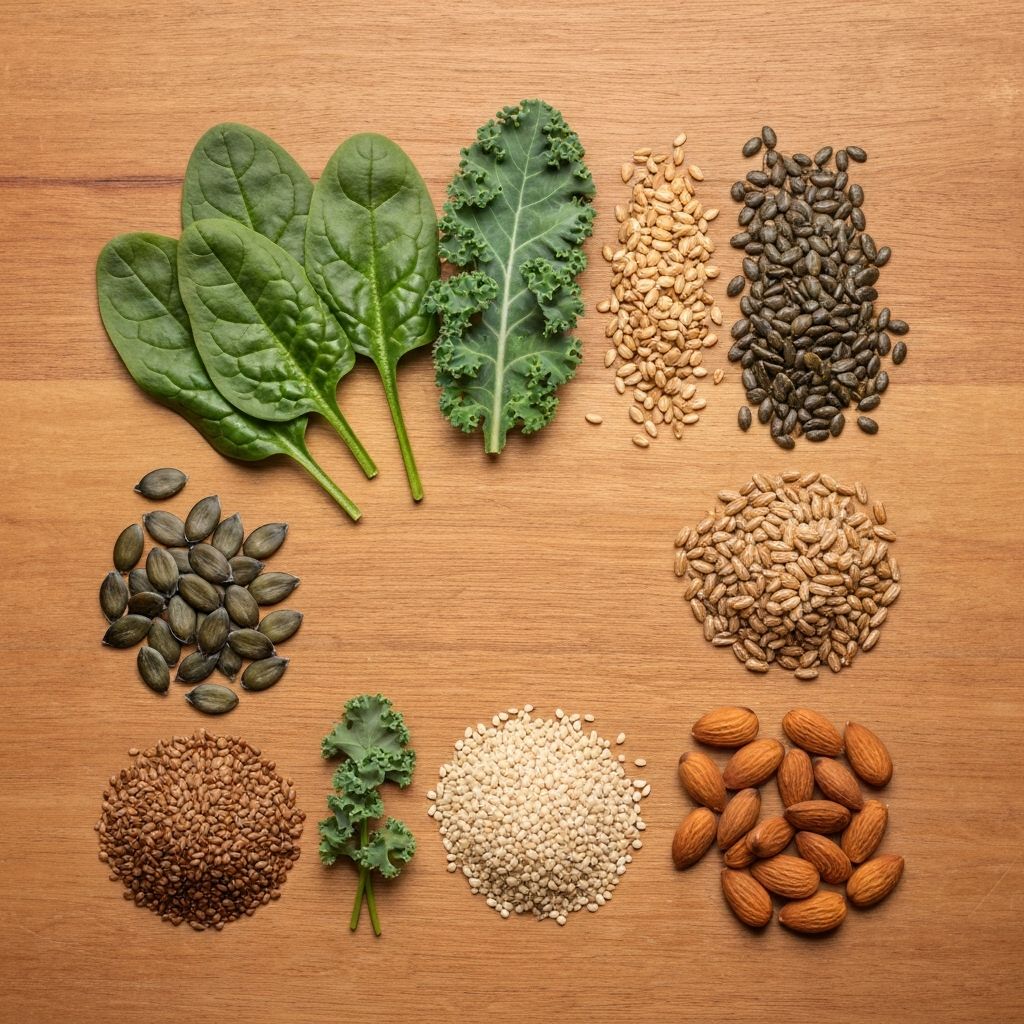
Leafy green vegetables, seeds, nuts, and whole grains contain substantial amounts of magnesium. Literature highlights magnesium's documented involvement in muscle function, energy production, and nervous system activity.
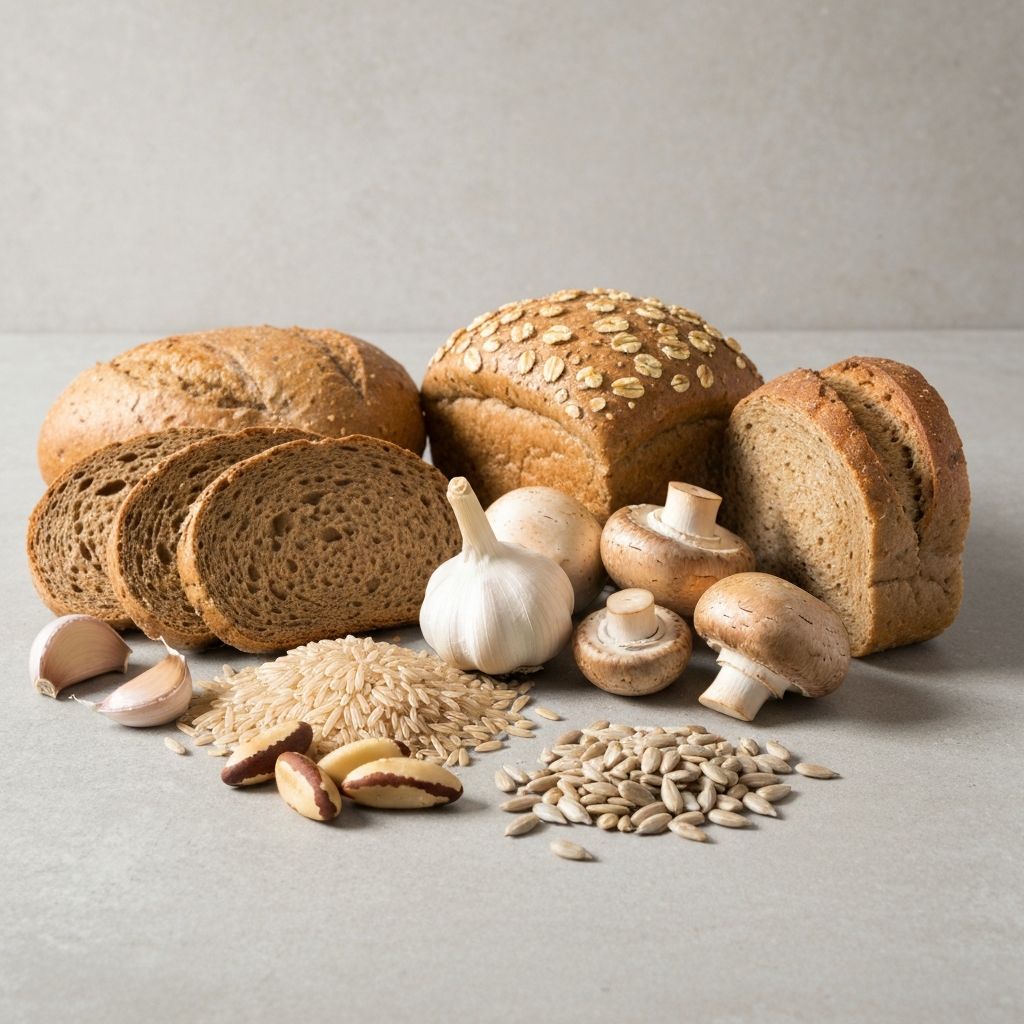
Selenium in Plants
Selenium is present in whole grains, mushrooms, garlic, and Brazil nuts. Scientific sources document selenium's presence in antioxidant systems and its importance in various physiological functions.
Documented Herbal Properties
Herbal traditions across European cultures have long incorporated various plant materials. The following table presents neutral, literature-documented characteristics of commonly recognized herbs:
| Herb | Documented Properties in Literature | Traditional European Use |
|---|---|---|
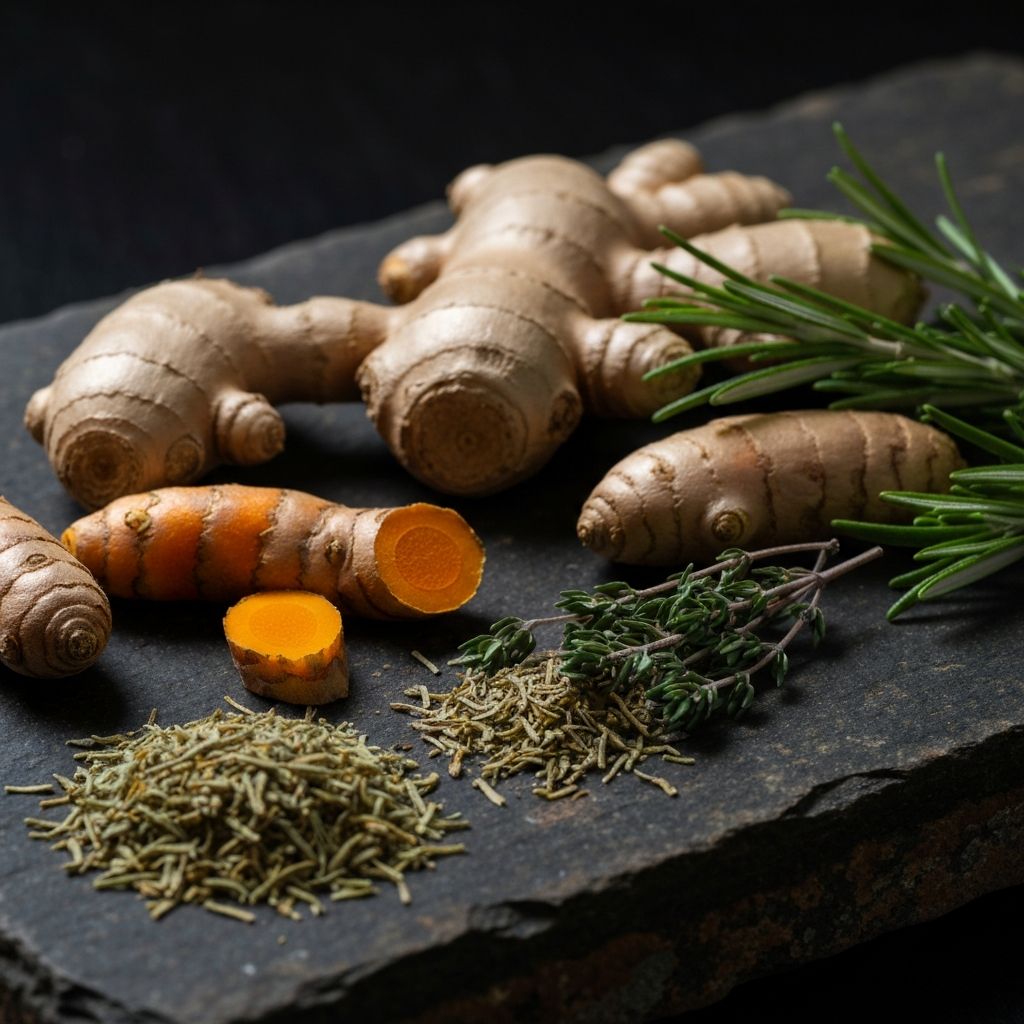
| Ginger Root | Contains gingerols, shogaols, and other polyphenolic compounds | Asian culinary and traditional European herbalism |
| Turmeric | Contains curcuminoids, particularly curcumin | Asian origins, increasingly studied in European research |
| Stinging Nettle | Rich in minerals, flavonoids, and polyphenols | Traditional European herbal resource |
| Sage | Contains volatile oils, tannins, and phenolic compounds | Mediterranean and Central European tradition |
| Rosemary | Contains carnosic acid and rosmarinic acid | Mediterranean culinary and medicinal use |
| Yarrow | Contains essential oils and glycosides | Traditional German and European herbal knowledge |
| Peppermint | Contains menthol and flavonoid compounds | Widely cultivated across Europe |
| Chamomile | Contains apigenin and other flavonoids | European herbal tradition, widely recognized |
Polyphenol Sources Overview
Understanding Polyphenols
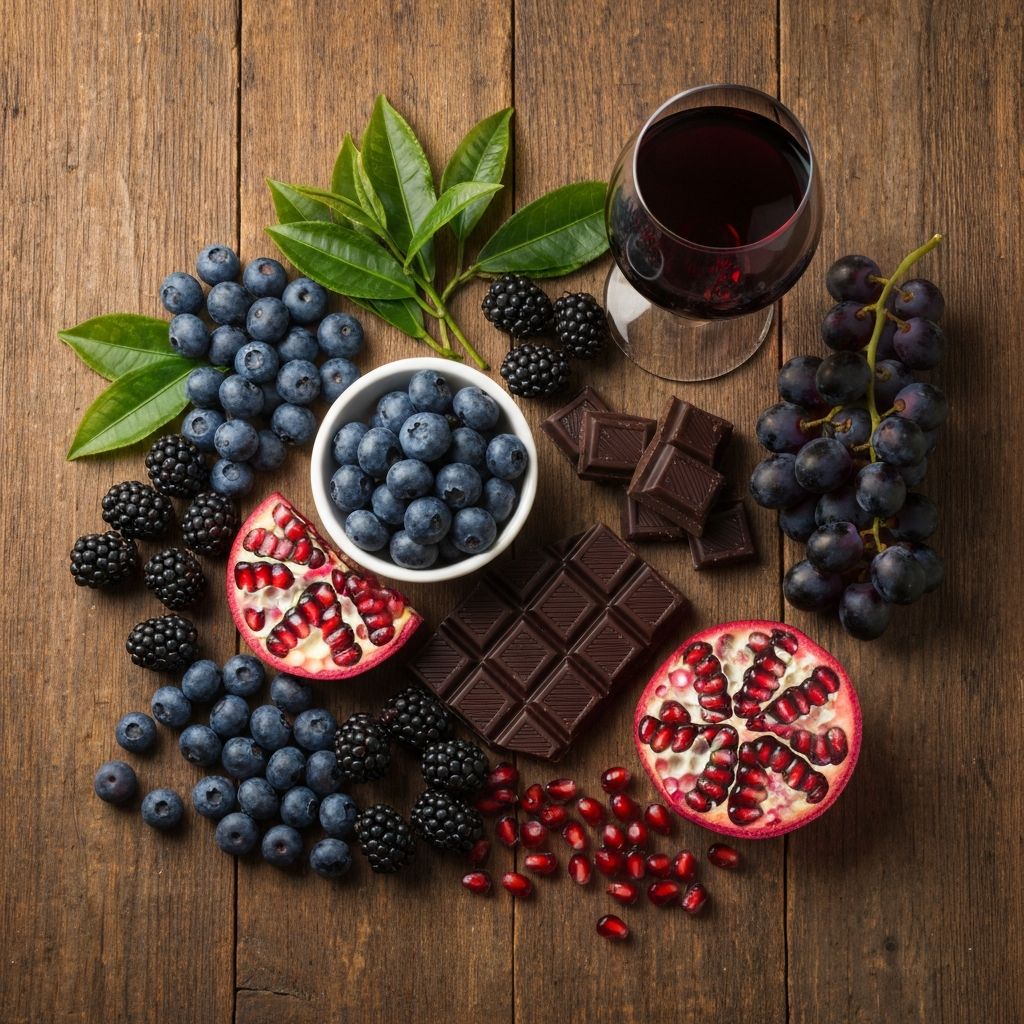
Polyphenols are naturally occurring compounds found in many plant foods. Scientific literature extensively documents their presence in berries, tea, grapes, and various plant materials. These compounds have been studied for their antioxidant properties and their presence in traditional dietary patterns across various cultures.
Common polyphenol-rich sources include blueberries, blackberries, green tea, dark grapes, pomegranates, and certain nuts. The variety of sources allows for diverse dietary incorporation of these compounds.
Seasonal Plant Availability in Central Europe
Understanding seasonal availability encourages natural dietary variation. In Central European climates including Germany, different plants thrive and become available at different times of year:
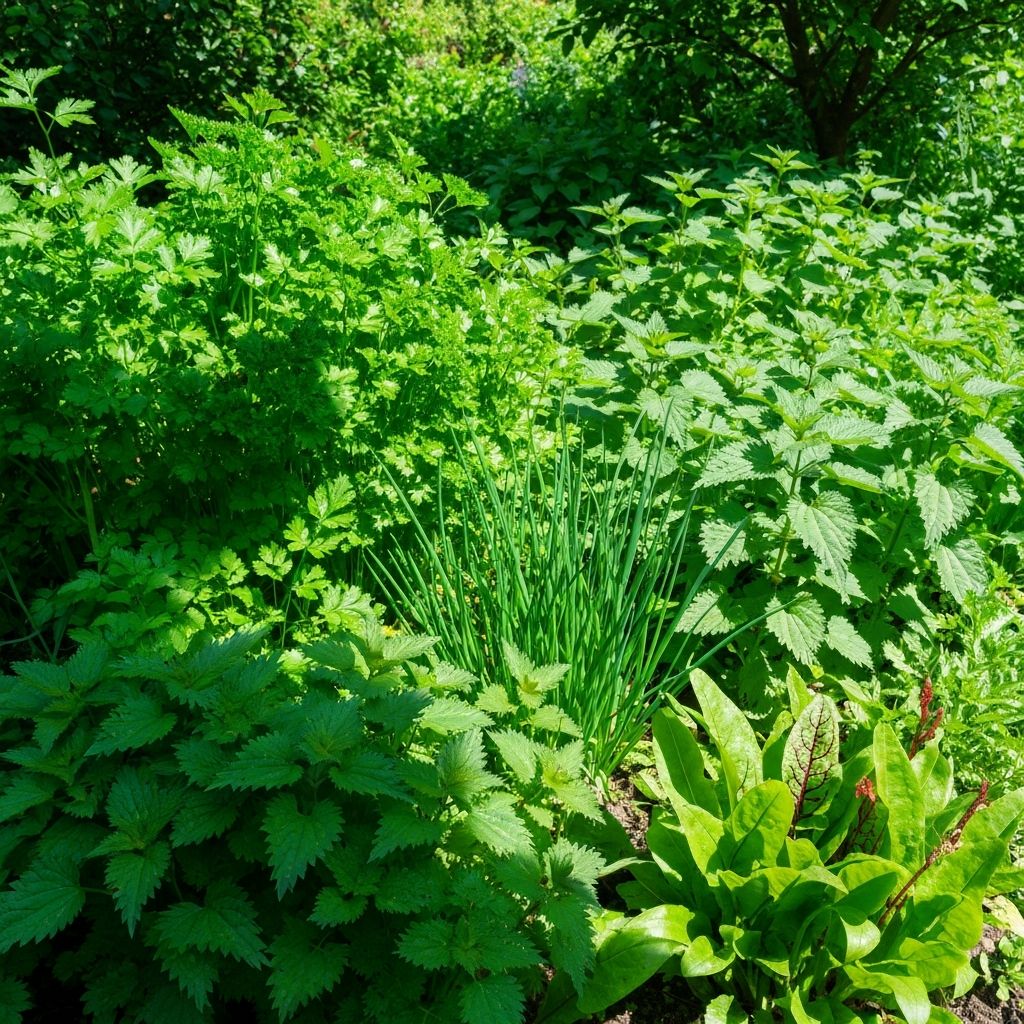
Spring (March - May)
Fresh herbs emerge including nettle, parsley, dandelion greens, sorrel, and early garden vegetables. This season brings renewal of fresh botanical resources after winter.
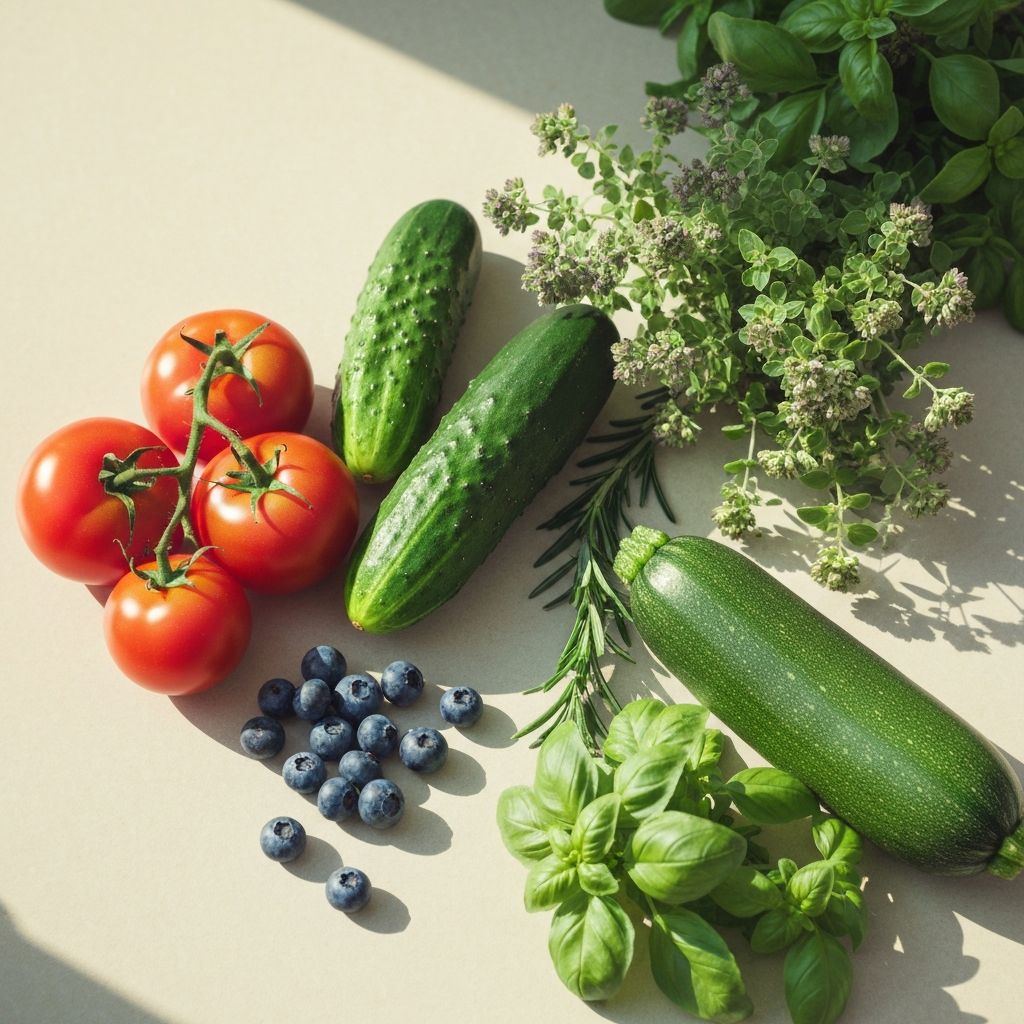
Summer (June - August)
Peak abundance includes berries, tomatoes, cucumbers, fresh herbs, and leafy greens. Maximum botanical diversity is available for fresh consumption and preservation.
Autumn (September - November)
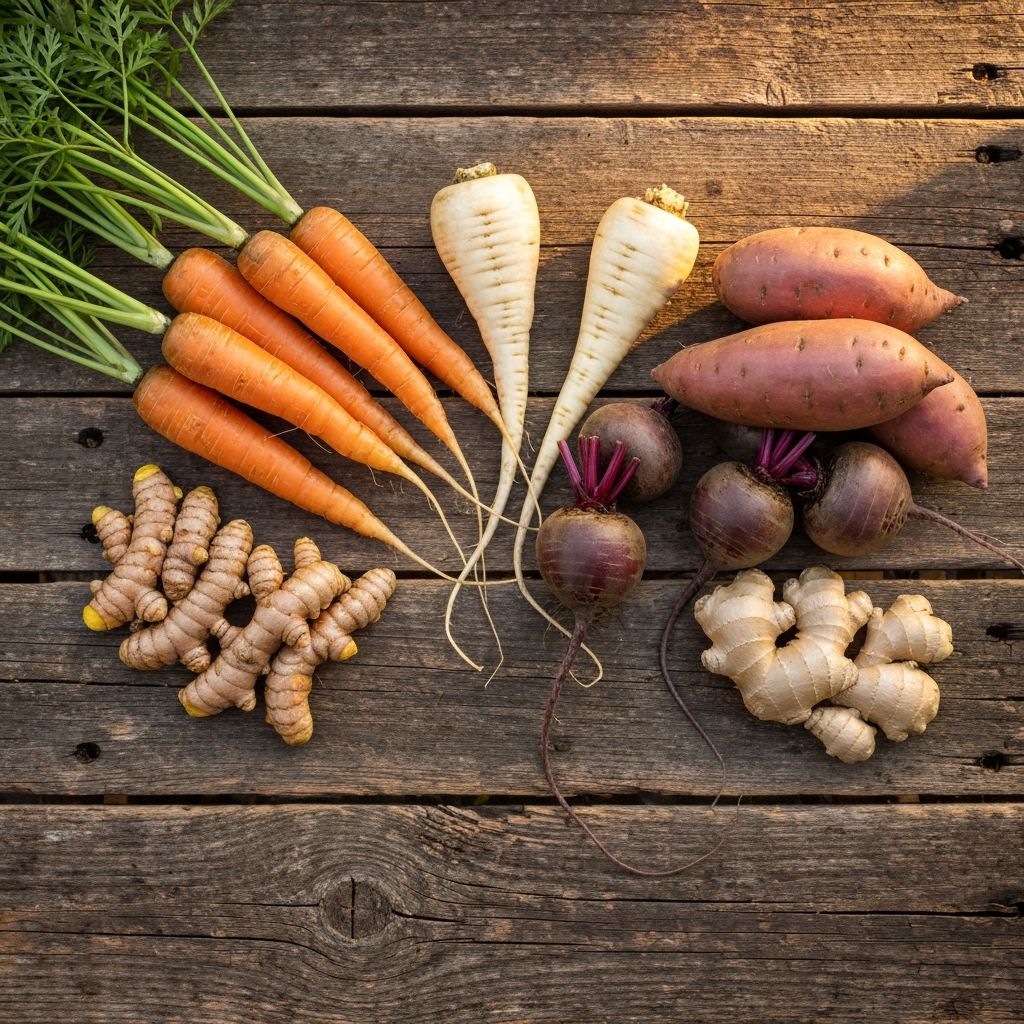
Root vegetables, seeds, and stored crops become prominent. This season provides grounding botanicals including carrots, beets, and tubers suited for preservation.
Winter (December - February) offers preserved resources, dried herbs, and stored root vegetables from previous seasons.
Bioavailability & Nutrient Uptake
Scientific literature discusses factors influencing how the human body processes plant nutrients. Bioavailability refers to the proportion of nutrients that the body can absorb and utilize. Several factors affect this process:
- Food Preparation: Cooking methods, cutting, and processing can affect nutrient availability and compound activity
- Nutrient Synergy: Scientific studies indicate that certain nutrients work more effectively when consumed together
- Individual Factors: Age, digestive health, and metabolic differences affect nutrient absorption
- Food Combinations: Pairing certain foods can enhance or reduce nutrient absorption efficiency
- Freshness: Fresh plant materials generally retain more nutrient content than processed alternatives
- Diversity: Consuming varied plant sources ensures a broader spectrum of available compounds
European Herbal Legacy
Traditional Botanical Knowledge
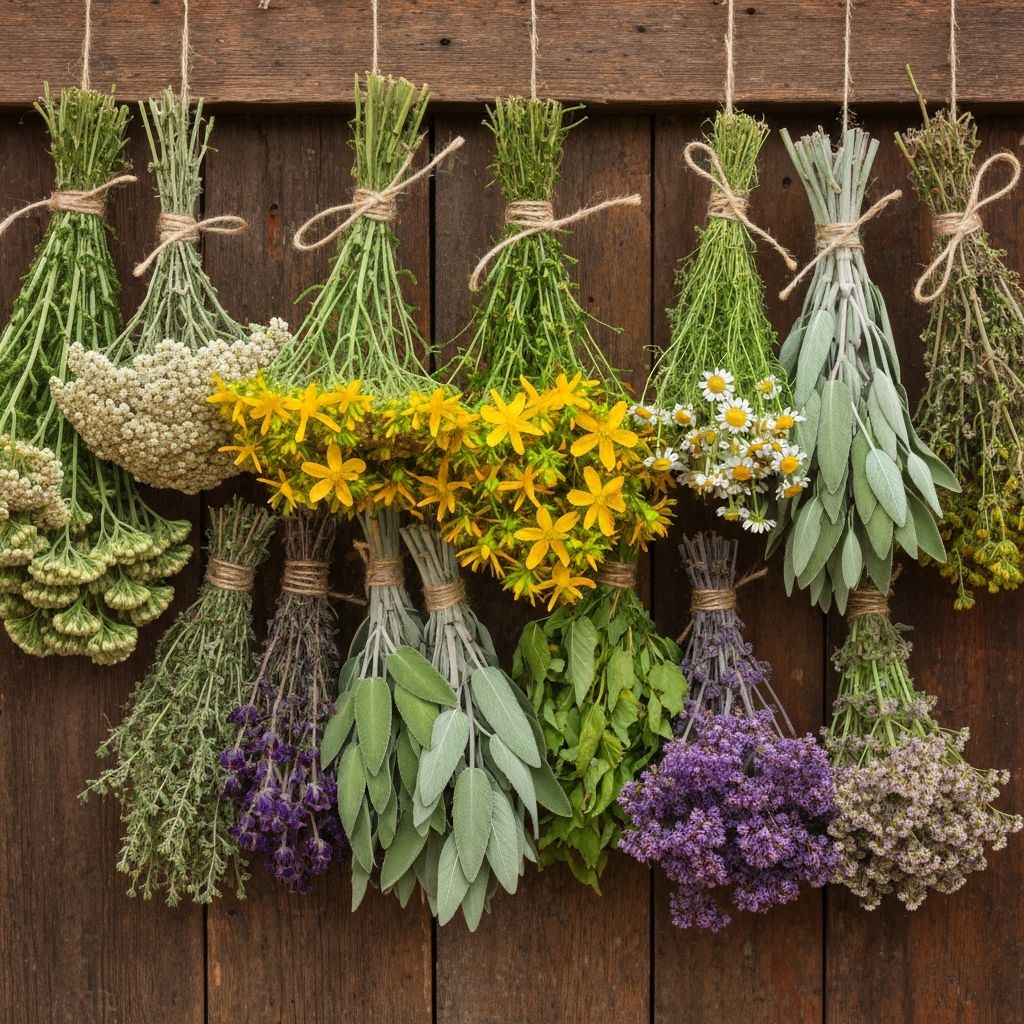
German-speaking countries and Central Europe have maintained rich herbal traditions for centuries. Apothecary knowledge, monastic gardens, and folk botanical practices have documented the properties and uses of numerous plants.
This heritage includes comprehensive knowledge of: medicinal herbs, culinary botanicals, seasonal plants, and traditional preparation methods. Historical records from German herbalists and European botanical societies provide documented information about plant utilization in everyday life.
Understanding this heritage provides context for modern nutritional science, which often validates traditional observations with contemporary research methodologies.
Common Nutritional Misconceptions
Understanding what plant nutrition can and cannot do is important. Here we address frequently circulating claims:
Research Approaches in Botanical Nutrition
Scientific understanding of plant nutrition develops through various methodologies:
- Phytochemical Analysis: Laboratory identification and quantification of compounds present in plant materials
- Bioavailability Studies: Research on how much of plant compounds the human body can absorb and use
- Population Studies: Long-term observation of dietary patterns and health outcomes in large groups
- Historical Documentation: Review of traditional use patterns and historical records of botanical applications
- Comparative Analysis: Examination of how different plant sources provide similar compounds through different mechanisms
- Seasonal Variation: Study of how growing conditions and harvest timing affect nutrient composition
The Power of Plant Variety
Diversity in Your Daily Consumption
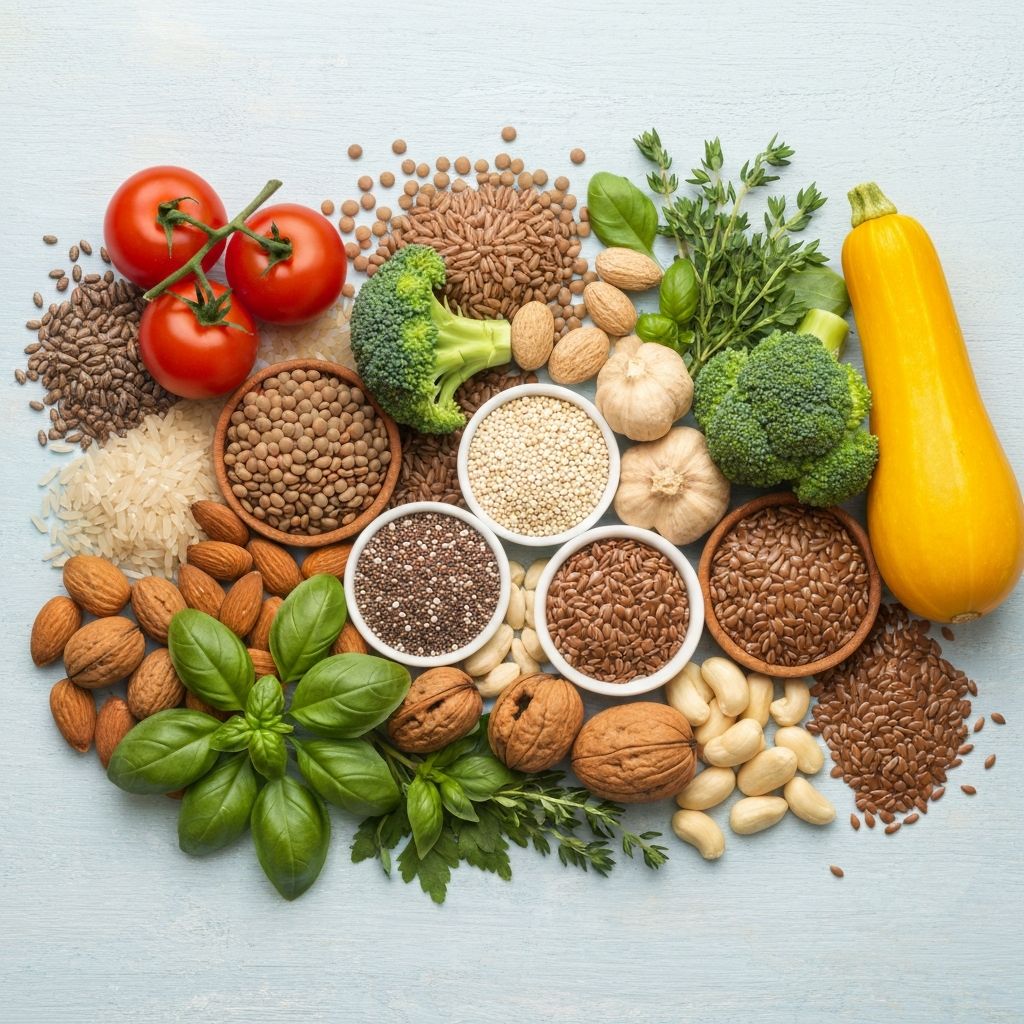
Consuming different plant sources ensures exposure to diverse nutrients and compounds. Each plant species contains unique combinations of vitamins, minerals, and phytonutrients. By varying consumption, you naturally ensure comprehensive nutrient exposure.
Traditional dietary patterns across cultures emphasize variety. Mediterranean, Asian, and European approaches all stress consuming different plants across seasons and throughout the year. This diversity principle remains relevant to modern understanding of balanced nutrition.
Nutritional Science for Mature Adults
Age-Related Nutritional Considerations
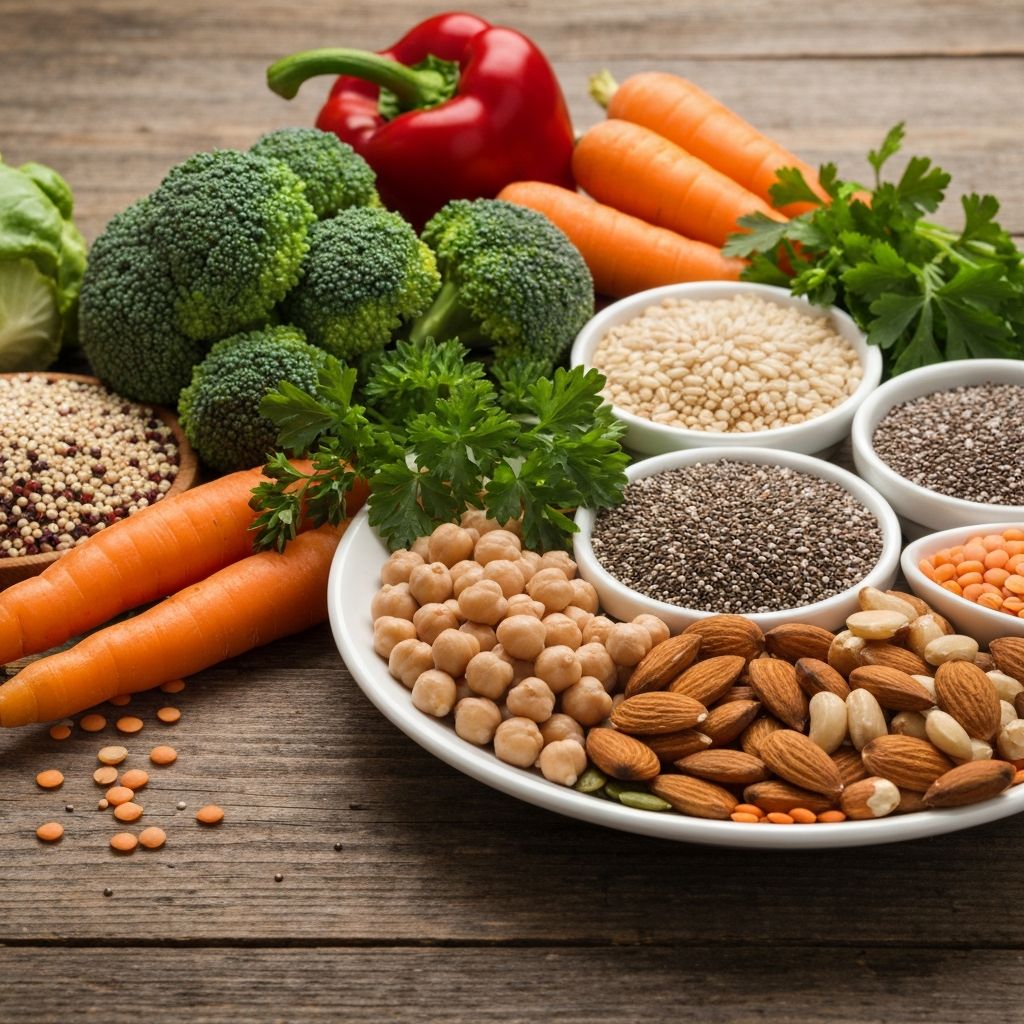
Scientific literature in nutrition and gerontology documents that nutritional needs shift with age. Adults over 40 may benefit from awareness of certain minerals and nutrients that support ongoing physical function and health maintenance.
Key considerations include: adequate protein for muscle maintenance, sufficient mineral intake for bone and cardiovascular health, micronutrient density for metabolic efficiency, and consistent physical activity paired with appropriate nutrition.
Individual health situations vary considerably. Consulting with healthcare providers and nutrition professionals remains important for personalized guidance on any significant dietary changes or health concerns.
Information Context & Limitations
This educational resource presents general information about plant-based nutrition and botanical knowledge. The content provided is informational only and does not constitute medical advice, diagnosis, or recommendations for individual health situations. Nutritional science continues to evolve, and individual health circumstances vary significantly. Any specific questions about nutrition related to personal health situations should be directed to qualified healthcare professionals, registered dietitians, or medical providers. This resource does not replace professional medical advice or individual consultation with healthcare providers.
Educational Resources & Sources
This resource draws on published scientific literature, historical botanical knowledge, and established nutritional science. For deeper exploration of these topics, the following types of sources provide reliable information:
- Academic journals in nutrition, botany, and pharmaceutical sciences
- WHO and national nutrition guidance documents
- University and research institution publications on botanical compounds
- Historical herbals and botanical texts from European traditions
- Clinical research on phytochemistry and nutrient bioavailability
- Contemporary textbooks on nutritional science and plant-based foods
Educational content only. No promises of outcomes.
Explore More
Deepen your knowledge of plant nutrition and botanical wellness